
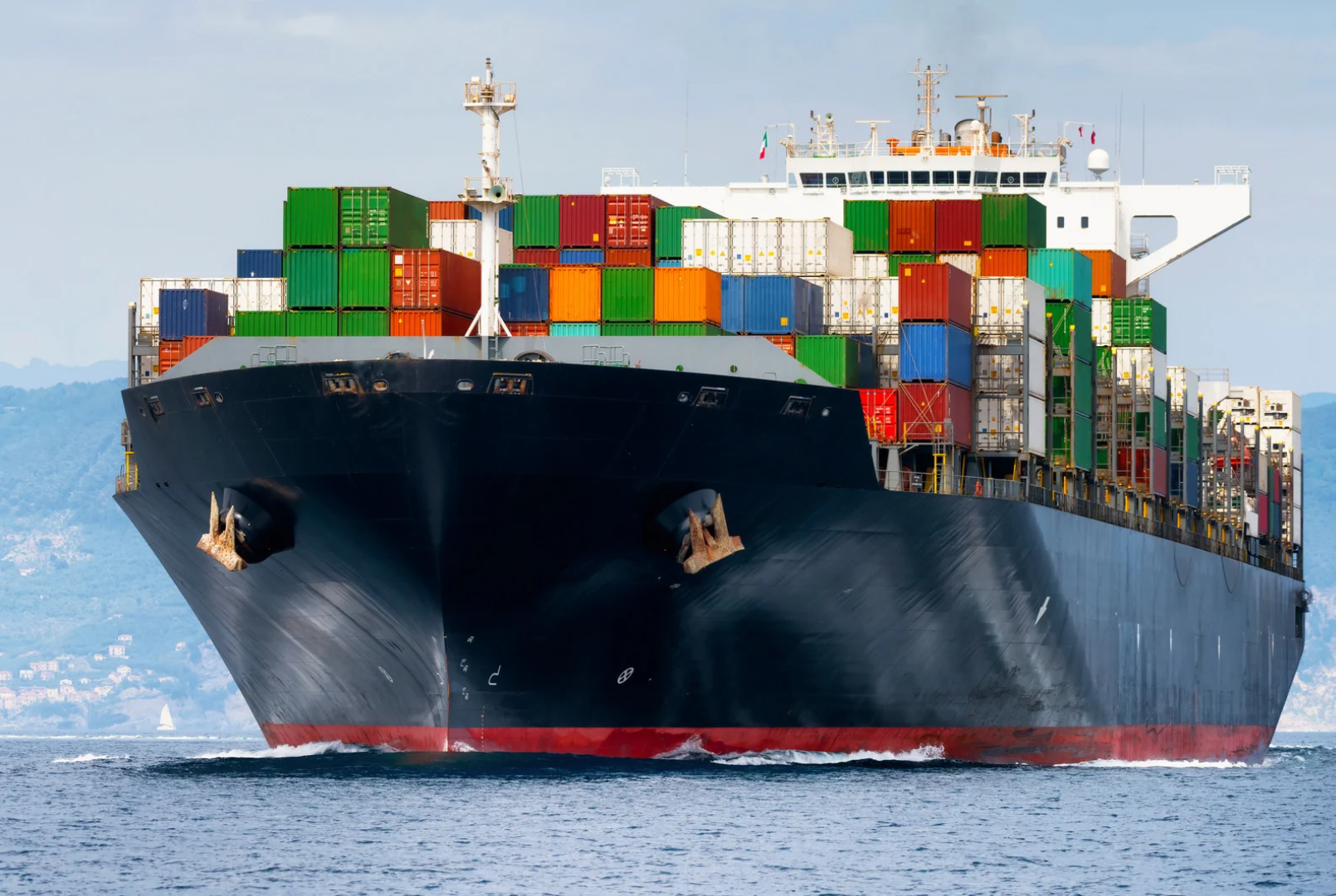
Liquefied Biomethane (Bio-LNG) for Maritime Transport
About the Programme
Studies on the potential, opportunities and competitiveness of liquefied biomethane (Bio-LNG) produced from waste as a low-carbon marine fuel, with a focus on the Global South and potential application in Brazil. The initiative brings together national and international institutions, including the UN Council of Engineers for the Energy Transition. It seeks to connect local resources, energy security and the decarbonization of maritime transport, contributing to the development of South-South solutions and a new market for renewable fuels.
Direct SDGs Addressed
Resources
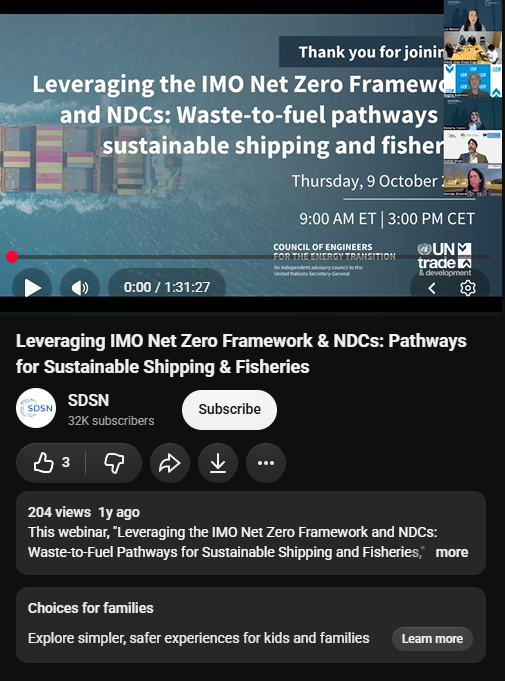
Leveraging IMO Net Zero Framework & NDCs: Pathways for Sustainable Shipping & Fisheries
CEET Webinar Series: Insights and Innovations for a Sustainable Energy Future
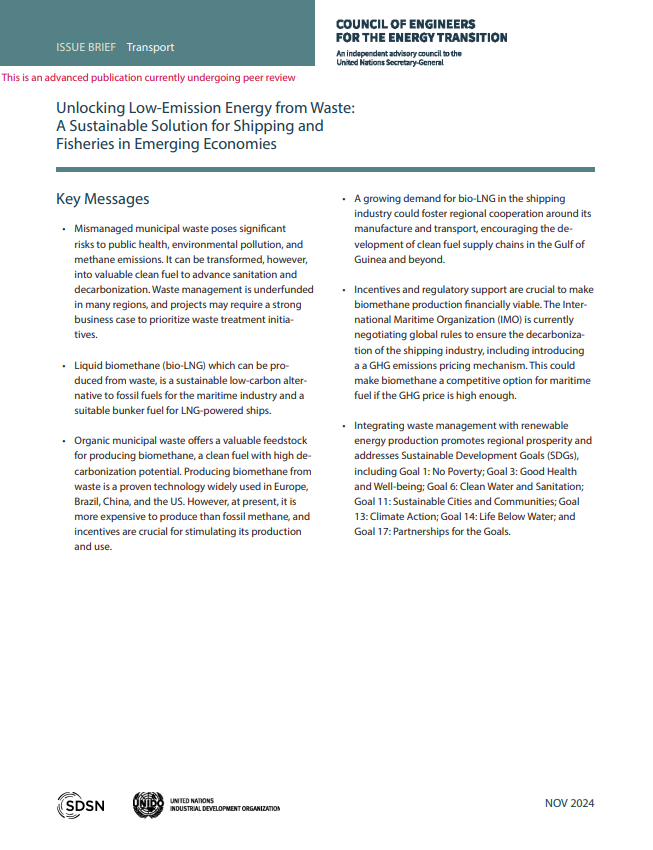
Unlocking Low-Emission Energy from Waste: A Sustainable Solution for Shipping and Fisheries in Emerging Economies
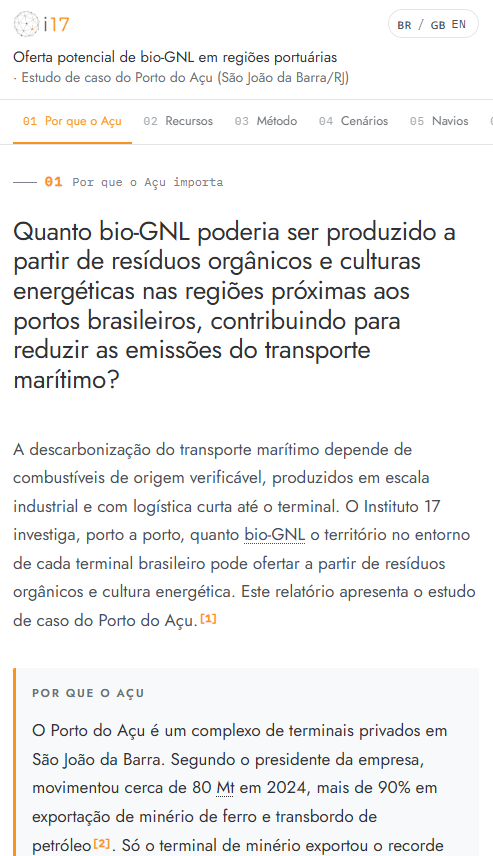
Potential bio-LNG supply in port regions · Case study of the Port of Açu (São João da Barra/RJ)
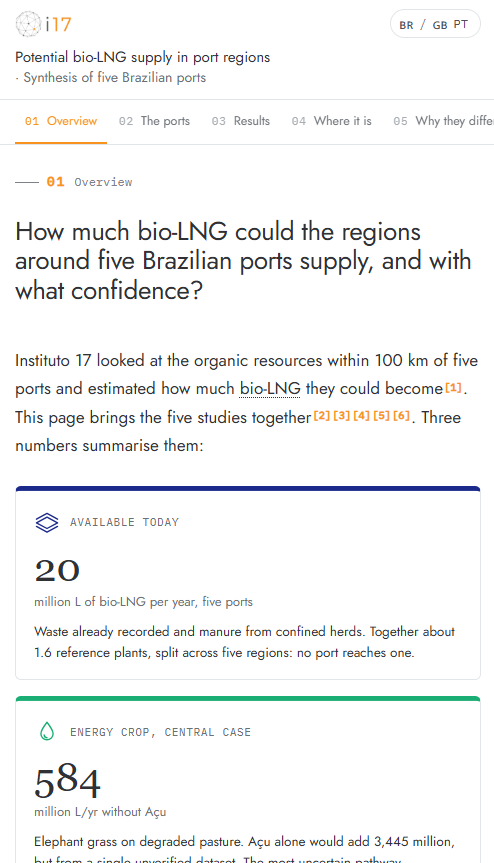
Potential bio-LNG supply in port regions · Synthesis of five Brazilian ports
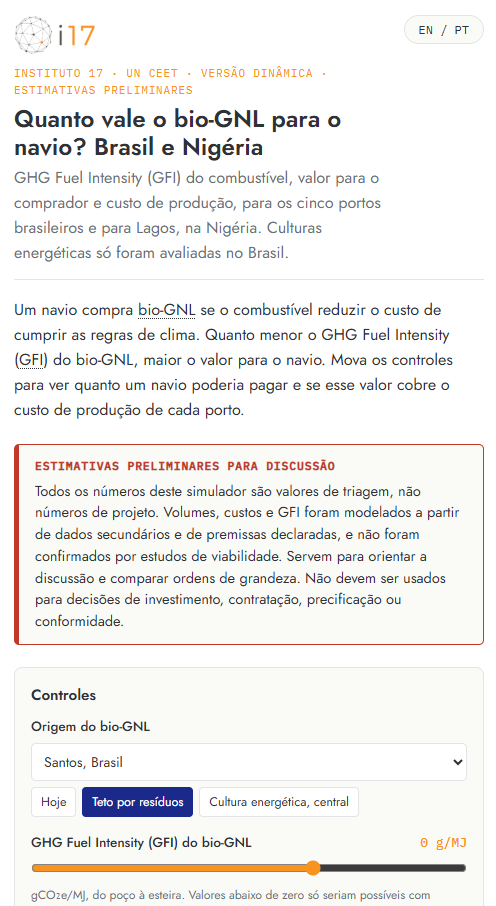
Simulator: What is bio-LNG worth to a ship? Brazil and Nigeria
Potential bio-LNG supply in port regions · Case study of the Port of Itajaí (Itajaí/SC)
Potential bio-LNG supply in port regions · Case study of Lagos (Nigeria)
Potential bio-LNG supply in port regions · Case study of the Port of Paranaguá (Paranaguá/PR)
Potential bio-LNG supply in port regions · Case study of the Port of Pecém (São Gonçalo do Amarante/CE)
Potential bio-LNG supply in port regions · Case study of the Port of Santos (Santos/SP)